Banking in Europe.
Banking is a crucial aspect of any economy, and Europe is no exception. The European banking system is one of the most significant and most integrated financial markets in the world, with a wide range of banking services and financial products that cater to the needs of individuals, businesses, and governments. In this blog post, we will discuss the history and evolution of banking in Europe, the current state of the industry, and the challenges it faces.
History and Evolution of Banking in Europe:
Banking in Europe has a long history that can be traced back to the Italian Renaissance. The first banks were established in Italy during the 14th century, and they served as a means for wealthy merchants to lend money to the nobility. Over time, banking spread across Europe, and by the 16th century, banks had become an essential part of the European financial landscape.
During the 19th and 20th centuries, European banks played a crucial role in financing the Industrial Revolution and the growth of international trade. Banks also played a vital role in funding the reconstruction of Europe after World War II.
In the 1980s and 1990s, the European banking industry underwent significant changes with the liberalization of financial markets and the introduction of new technologies. This led to the emergence of new banking models, such as online banking and mobile banking.
Banking is one of the oldest and most important industries in the world, playing a vital role in the economy of all countries. Europe has a rich and varied history of banking, with many of the world's most influential banks originating from the continent. In this blog post, we will explore the history and evolution of banking in Europe, from its earliest origins to its modern-day role in the global economy.
Origins of European Banking:
The origins of European banking can be traced back to the medieval period. During this time, merchants and traders needed a way to securely store their wealth and conduct business across long distances. This led to the creation of early banking institutions, such as the Medici Bank in Florence, Italy, which was founded in 1397.
These early banks primarily served the needs of wealthy merchants and the ruling classes, providing them with loans, credit, and investment opportunities. However, they also played a significant role in the development of international trade and commerce, helping to facilitate the exchange of goods and services across borders.
The Rise of National Banking Systems:
As European economies grew and became more complex, the need for more sophisticated banking systems increased. In the 17th and 18th centuries, many European countries began to establish their own national banking systems.
One of the earliest and most successful examples of a national banking system was the Bank of England, which was founded in 1694. The Bank of England played a key role in financing Britain's growing economy and supporting the government during times of war and crisis.
Other European countries followed suit, with many establishing central banks to help regulate the flow of money and credit within their economies. The French Banque de France, the German Reichsbank, and the Italian Banca d'Italia are just a few examples of the many national banking institutions that emerged during this time.
The Growth of Investment Banking:
During the 19th and early 20th centuries, European banking underwent a significant transformation with the emergence of investment banking. Investment banks are financial institutions that specialize in underwriting and issuing securities, such as stocks and bonds.
The Rothschild family, a wealthy banking family from Germany, played a significant role in the development of investment banking in Europe. They were instrumental in helping to finance the British government's war efforts during the Napoleonic Wars, and their financial acumen helped to establish them as one of the most powerful and influential banking families in Europe.
In the late 19th century, investment banks began to expand their operations beyond Europe and into the United States. The establishment of J.P. Morgan & Co. in 1871 marked the beginning of a new era in banking, with investment banks playing an increasingly important role in the global economy.
Modern-Day Banking in Europe:
Today, banking in Europe is a highly complex and interconnected system that plays a vital role in the global economy. Many of the world's largest and most influential banks are based in Europe, including HSBC, Barclays, Deutsche Bank, and Credit Suisse.
One of the most significant developments in modern-day banking is the rise of digital banking. The use of online and mobile banking has transformed the way people interact with their banks, making it easier and more convenient than ever to manage their finances.
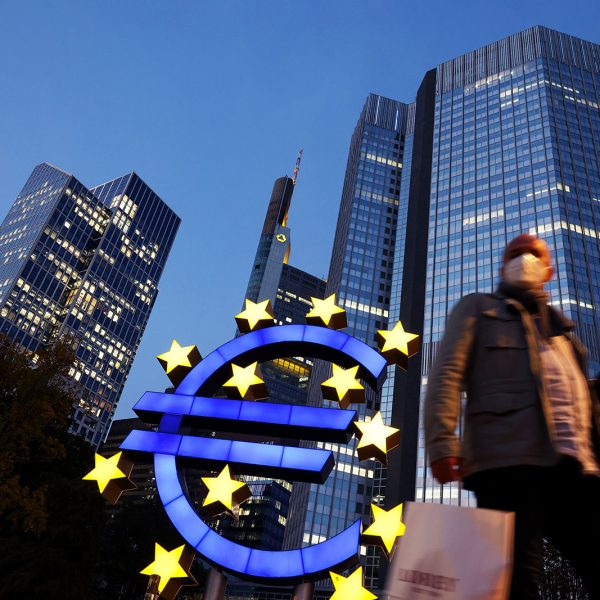
The European Central Bank (ECB) is the central bank for the eurozone, which includes 19 countries that use the euro as their official currency. The ECB is responsible for setting monetary policy and maintaining financial stability within the eurozone, making it a critical institution for the European economy.
Current State of Banking in Europe:
Today, the European banking industry is a diverse and dynamic sector that is home to some of the largest and most innovative banks in the world. The industry is dominated by a few large banks, such as Deutsche Bank, BNP Paribas, and HSBC, but there are also many smaller banks and fintech companies that are challenging the traditional banking model.
The European banking industry is highly regulated, with a complex system of rules and regulations that are designed to ensure the stability of the financial system. The European Central Bank (ECB) is the main regulatory body, and it is responsible for overseeing the banking industry in the Eurozone.
One of the key challenges facing the European banking industry is the low-interest-rate environment. The ECB has kept interest rates at historic lows to support the European economy, but this has had a significant impact on banks' profitability.
Another significant challenge facing the European banking industry is the rise of fintech companies. These companies are disrupting the traditional banking model by offering innovative services and products that are more convenient and accessible than traditional banking services. Banks are responding by partnering with fintech companies or developing their own digital platforms.
Brexit is also a significant challenge for the European banking industry. The UK's departure from the European Union has created uncertainty and complexity for banks that operate in both the UK and the EU.
Impact of COVID-19 on Banking in Europe:
The COVID-19 pandemic has had a significant impact on the European banking industry. The pandemic has caused a sharp economic downturn, which has led to an increase in loan defaults and a decrease in demand for loans.
To support the European economy, the ECB has implemented a range of measures, including lowering interest rates, providing liquidity support to banks, and relaxing regulatory requirements. These measures have helped to mitigate the impact of the pandemic on the banking industry.
The pandemic has also accelerated the shift towards digital banking. With social distancing measures in place, more people have turned to online and mobile banking services. This trend is likely to continue even after the pandemic has subsided, which will have implications for the traditional banking model.
Conclusion:
In conclusion, the European banking industry is a dynamic and evolving sector that faces a range of challenges. The industry has a long history that has seen it adapt and change over time, and it is currently facing challenges from fintech companies, low-interest rates, and the impact of COVID-19.